 logo.png)
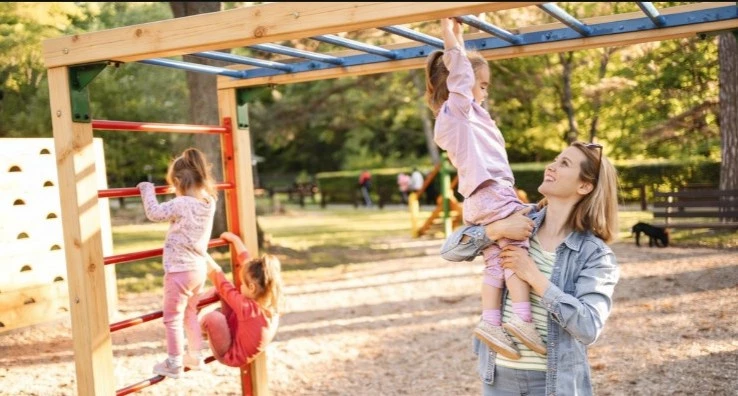
Timber Climbing Frames
Get in TouchAt Natural Playgrounds, we design and install bespoke wooden climbing frames across , tailored to each site’s size, age group, and accessibility requirements, ensuring every child can enjoy safe, stimulating outdoor activity.
Climbing frames are a core part of any outdoor play environment, offering children challenge, excitement, and developmental value through active, physical play.
Timber climbing frames combine natural materials with robust construction to create play structures that promote strength, coordination, and creativity, while blending visually with green spaces.
Since plastic and metal frames can often appear artificial or intrusive, timber alternatives offer a softer, more organic look that aligns with natural learning environments and sustainable outdoor design.
Request a free quote for professional timber climbing frame installation today.
What Are Timber Climbing Frames?
Timber climbing frames are outdoor play structures constructed from natural wood, offering multiple play elements such as ladders, nets, platforms, slides, bridges, and climbing walls.
Since timber is a strong and weather-resistant material, it’s ideal for structures that are exposed year-round and used daily by children in schools, parks, or nurseries.
These frames are designed to encourage physical development, imaginative play, and risk assessment in a controlled, age-appropriate environment.
Unlike standard modular play units, our timber climbing frames can be custom-designed to suit your outdoor space, your preferred play features, and the needs of your users.
How Much Do Timber Climbing Frames Cost?
The cost of timber climbing frames typically ranges from £3,500 to £35,000.
The cost depends on the scale, complexity, and materials used.
Small standalone frames, such as basic climbing pyramids, log ladders, or A-frames, start from £3,500 to £7,500. These are suitable for early years or compact play zones.
Medium-sized multi-functional frames, featuring bridges, platforms, monkey bars, or rope elements, generally fall between £8,000 and £18,000, ideal for primary schools and public parks.
Large bespoke climbing structures, such as multi-tower units or integrated adventure play frames, can cost £20,000 to £35,000+, particularly if custom-designed or linked with trails, surfacing, or landscaping.
What Are the Benefits of Timber Climbing Frames ?
Wooden climbing frames offer a wide range of developmental, educational, and environmental advantages for children and communities.
They support physical health, social skills, and imaginative engagement.
Encourage strength, balance, coordination, and agility through active play
Promote risk assessment, resilience, and independence
Offer natural textures and forms that engage the senses
Blend into outdoor settings with minimal visual disruption
Built from sustainable timber with low environmental impact
Customisable to suit space, age group, and curriculum needs
Support inclusive play through varied heights, surfaces, and access points
Durable, long-lasting structures designed for years of use
Why Choose Timber Over Metal or Plastic Climbing Frames?
Wooden climbing frames are chosen for their durability, sustainability, and aesthetic appeal.
Since timber naturally complements outdoor settings, it creates a play space that feels grounded, calm, and inviting—especially in nature-based learning environments.
Timber is also a renewable material with a lower carbon footprint than steel or plastic, making it an environmentally responsible choice.
As more schools and councils move towards eco-conscious infrastructure, timber climbing frames offer a practical solution that aligns with long-term sustainability goals.
What Types of Timber Are Used for Climbing Frame Construction?
We use high-grade hardwoods and treated softwoods for our timber climbing frames, depending on the design and intended use.
Common materials include robinia, Douglas fir, larch, and pressure-treated redwood. Robinia is especially valued for its strength, natural resistance to rot, and ability to retain structural integrity for decades without chemical treatment.
For schools and parks with high footfall, we often recommend Robinia due to its exceptional longevity and low maintenance needs.
All timber is sourced responsibly, with FSC certification available for environmentally conscious clients.
Are Timber Climbing Frames Safe for Public Use?
All wooden climbing frames are built and installed to meet UK safety regulations, including BS EN 1176 for playground equipment.
Since climbing frames involve elevated platforms and physical activity, we take every precaution to ensure structural stability, safe fall heights, appropriate surfacing, and anti-slip features.
Each frame includes handholds, safety barriers, and impact-absorbing surfacing tailored to the layout of the site.
Before handover, all installations are fully safety-checked and inspected to ensure compliance and peace of mind for schools, councils, and families.
Can Timber Climbing Frames Be Customised?
All timber climbing frames are fully customisable to suit your outdoor space, play objectives, and age group.
Since every setting has different site conditions, we design each climbing frame around the available area, taking into account ground level, slope, natural features, and surrounding activity zones.
You can choose from a wide range of elements, including rope nets, fireman poles, monkey bars, climbing walls, balance beams, platforms, and lookout towers.
We also offer themed climbing frames (e.g. castles, forts, woodland dens) and inclusive options to ensure children of all abilities can enjoy the space.
What Age Groups Are Timber Climbing Frames Suitable For?
Timber climbing structures can be designed for a wide range of age groups, from early years (ages 2–5) to primary (ages 5–11) and even older children.
Since developmental stages affect how children move, explore, and assess risk, we tailor the scale, access points, and challenges accordingly.
Early years frames focus on low-level balancing, crawling, and climbing, while junior structures may include higher platforms, more complex climbing routes, and imaginative play features.
Each design is adjusted to meet the safety and accessibility needs of the target age group in your setting.
How Long Do Timber Climbing Frames Last?
Timber climbing frames typically last 15 to 25 years or more, depending on the wood species, usage, and maintenance schedule.
Hardwood frames like robinia have a longer lifespan and require less upkeep than softwood alternatives, though both are durable when properly installed.
The natural weathering process causes timber to fade to a silver-grey tone over time, which many clients appreciate for its rustic charm.
With routine inspections, occasional tightening of fixings, and surface checks, your frame can remain safe and attractive for decades.
What Maintenance Is Required for Wooden Climbing Frames?
Natural timber climbing frames require minimal maintenance when built from durable hardwood, but regular inspections are recommended.
Standard upkeep includes checking for loose fittings, splinters, or cracked boards, as well as monitoring the surfacing and ground stability around anchor points.
Softwood structures may require occasional re-treatment, while hardwoods like robinia can remain structurally sound without surface coating.
We offer inspection and maintenance packages, particularly for schools and local authorities responsible for ongoing equipment safety.
Are Timber Climbing Frames Suitable for Inclusive Play?
Timber climbing frames can be designed for inclusive use, supporting children with a range of physical, sensory, or developmental needs.
Since inclusive design is a core part of our planning process, we offer wide ramps, transfer platforms, tactile surfaces, ground-level activities, and accessible play routes.
These features ensure that children of varying abilities can enjoy shared outdoor experiences, promoting social interaction and confidence in a safe, natural setting.
Inclusive timber frames are especially valuable in SEN schools, early years settings, and community parks across, aiming to create welcoming, accessible play environments.
Start Your Timber Climbing Frame Project Today
At Natural Playgrounds, we believe that outdoor play should be challenging, inclusive, and in harmony with the natural environment.
Our timber climbing frames are crafted with care, designed for development, and built to last—offering schools, parks, and communities a high-quality alternative to mass-produced metal equipment.
From design consultation to installation and aftercare, we manage every aspect of the process, ensuring your climbing frame meets your goals, your site conditions, and your users’ needs.
Book your free site visit today and let’s build a natural climbing experience that children will enjoy for years to come.